
Understanding Male Physiological Well-being
A structured exploration of the environmental, lifestyle, and historical factors that shape male vitality — presented neutrally for general knowledge and informed understanding.
A Framework for Thoughtful Exploration
Auxilia presents structured, descriptive information about male physiological well-being and the many factors that influence it. This resource does not advocate for specific practices, endorse products, or make outcome-oriented claims. Every topic is approached through contextual explanation, historical perspective, and neutral clarification of terminology.
The content here is intended for general informational purposes, oriented toward enhancing understanding of how lifestyle, environment, and accumulated knowledge intersect with male vitality across different cultural and historical contexts.
Dimensions of Male Well-being
Environmental Influences
The environment in which a person lives — encompassing air quality, access to natural spaces, urban or rural setting, and broader ecological conditions — consistently emerges across research traditions as a meaningful contextual factor in physiological experience.
Natural Settings
Regular exposure to natural environments has been noted across multiple cultural traditions as associated with a sense of physical calm and restored mental balance.
Urban Context
Densely populated environments introduce distinct patterns of physical and psychological stimulation that differ markedly from rural or semi-rural living conditions.
Seasonal and Climatic Variation
Tropical climates, such as those common across Indonesia, present unique considerations around heat, humidity, circadian rhythms, and activity patterns.

Lifestyle Routines and Daily Patterns
Daily routines — including patterns of movement, rest, social interaction, and dietary habits — form the foundational fabric of physiological experience. Understanding these patterns contextually, rather than prescriptively, allows for a richer appreciation of how well-being is maintained across varied life circumstances.
Movement and Physical Activity
Culturally embedded forms of physical movement, from traditional martial arts and agrarian labor to modern structured exercise, reflect diverse approaches to maintaining physical function.
Rest and Recovery
The role of sleep quality and deliberate rest periods in maintaining physiological balance is consistently recognized across diverse knowledge traditions.
Nutritional Context
Dietary patterns embedded in cultural and geographic contexts shape physiological experience in ways that are highly individual and complex to generalize.

Contextual and Historical Perspectives
Approaches to male well-being have evolved considerably across centuries and geographic regions. Understanding these historical frameworks provides valuable context for interpreting contemporary discussions and allows for a more nuanced appreciation of how different traditions have conceptualized the relationship between lifestyle, environment, and physiological experience.
Traditional Knowledge Systems
Across Southeast Asian traditions, including those present in the Indonesian archipelago, systematic approaches to male vitality predate modern conceptual frameworks by centuries.
Modern Interpretive Frameworks
Contemporary understanding synthesizes historical observations with epidemiological and physiological research, creating richer — though more complex — interpretive models.

Clarifying Prevalent Misunderstandings
Many widely held assumptions about male well-being reflect oversimplifications. The following cards present common misconceptions alongside more accurate contextual framings.

Well-being is solely determined by genetics
Inherited factors represent only one dimension of physiological experience. Environmental conditions and sustained lifestyle patterns interact with genetic predisposition in complex and dynamic ways.
Rapid changes indicate effective interventions
Physiological systems operate on gradual timescales. Changes that appear rapid often reflect superficial fluctuations rather than meaningful shifts in underlying functional patterns.
Age is the primary driver of physiological change
While age correlates with certain physiological shifts, research frameworks consistently identify lifestyle, environmental exposure, and accumulated habits as equally or more significant factors in many contexts.

One framework explains all variations
No single explanatory model adequately accounts for the full range of individual, cultural, and environmental variation observed in male physiological experience. Context always matters.
Historical Perspectives on Male Health Understanding
The conceptual frameworks used to understand male physiological well-being have evolved significantly. This matrix traces key intellectual shifts across broad historical periods.

Elemental and Humoral Models
Ancient Greek, Ayurvedic, and Chinese traditions conceptualized physiological well-being through elemental balance — earth, water, fire, and air — applied to explain observed variations in vitality and resilience.
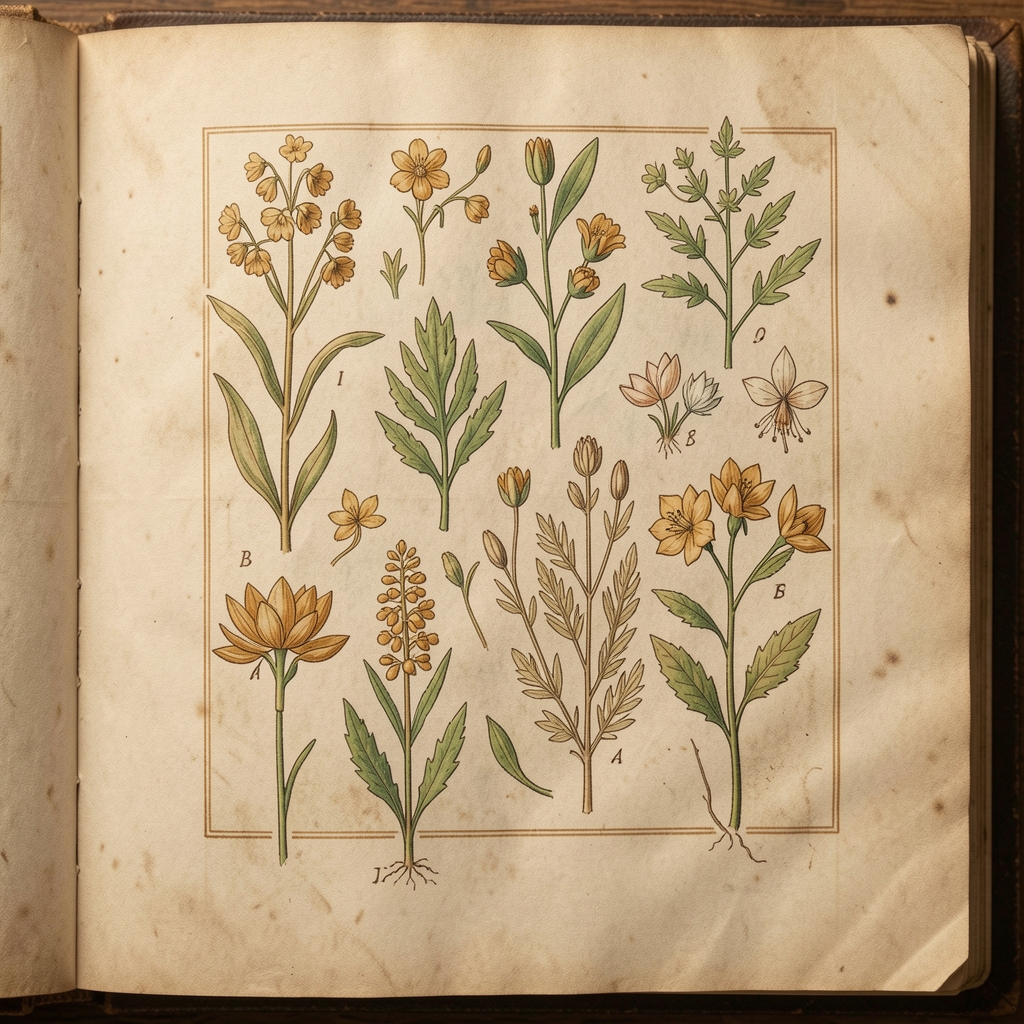
Botanical and Dietary Traditions
Across Islamic scholarly traditions and European herbalism, well-being was closely linked to diet, seasonal adaptation, and the careful application of botanical knowledge accumulated through observation.

Mechanistic and Empirical Approaches
The rise of empirical science introduced a mechanistic model of the body, shifting understanding toward measurable, observable phenomena and away from metaphysical explanatory frameworks.

Integrative and Systems Perspectives
Current frameworks increasingly recognize the interplay of genetic, environmental, behavioral, and psychosocial factors — moving toward holistic, systems-level understanding rather than single-variable explanations.
Continue Your Reading
The content on Auxilia is organized to support progressive understanding. Each section builds on foundational concepts, allowing you to explore at your own pace and according to your areas of interest.
All materials are presented for informational purposes and are intended to supplement general awareness of the topic, not to direct individual decisions.
Frequently Asked Questions
Auxilia is an independent informational resource focused on presenting structured, descriptive content about male physiological well-being and the various lifestyle, environmental, and historical factors that contextualize it. The resource does not provide individual guidance, endorse specific approaches, or engage in commercial activity of any kind.
Auxilia does not present individualized guidance, outcome-oriented claims, product information, promotional content, or prescriptive frameworks of any kind. The content is editorial and explanatory in character, not directional or advisory.
Historical perspectives are presented as contextual frameworks that help illuminate how current understandings have developed. They are treated as intellectually meaningful reference points rather than prescriptions or authoritative guides, and are always discussed with attention to the cultural and temporal contexts in which they originated.
Yes. A dedicated section identifies prevalent oversimplifications and presents more nuanced contextual framings. This is consistent with Auxilia's editorial commitment to clarity, accuracy, and the responsible presentation of complex information.
Reach Out to Auxilia
For general inquiries about the informational content presented on this resource, or for any other editorial correspondence, the Auxilia team is available during regular business hours.
Jakarta, Indonesia — [email protected]